
Physical symptoms can absolutely be amplified by stress—and often are.
But what about the times when your body feels calm… and the symptoms still show up suddenly?
One of the first questions that helped me start making sense of things was surprisingly simple:
Do symptoms follow thoughts… or do they show up on their own?
At the time, I didn’t have language for this yet.
I just knew something felt off about the explanation I was being given.
What I Was Expecting
If something is primarily driven by anxiety, the pattern often looks like:
something stressful happens
your thoughts react
your body follows
That’s a real and valid pattern.
And I kept trying to see if mine fit that.
What I Was Actually Experiencing
What I started noticing was different.
There were times when:
my body reacted before I felt anxious
symptoms showed up when I was otherwise calm
I couldn’t connect what I was feeling to a clear thought or trigger
Things like:
sudden waves of fatigue
dizziness
nausea
sensory overwhelm
And then after that, my brain would catch up and try to make sense of it.
When the Brain Tries to Explain the Body
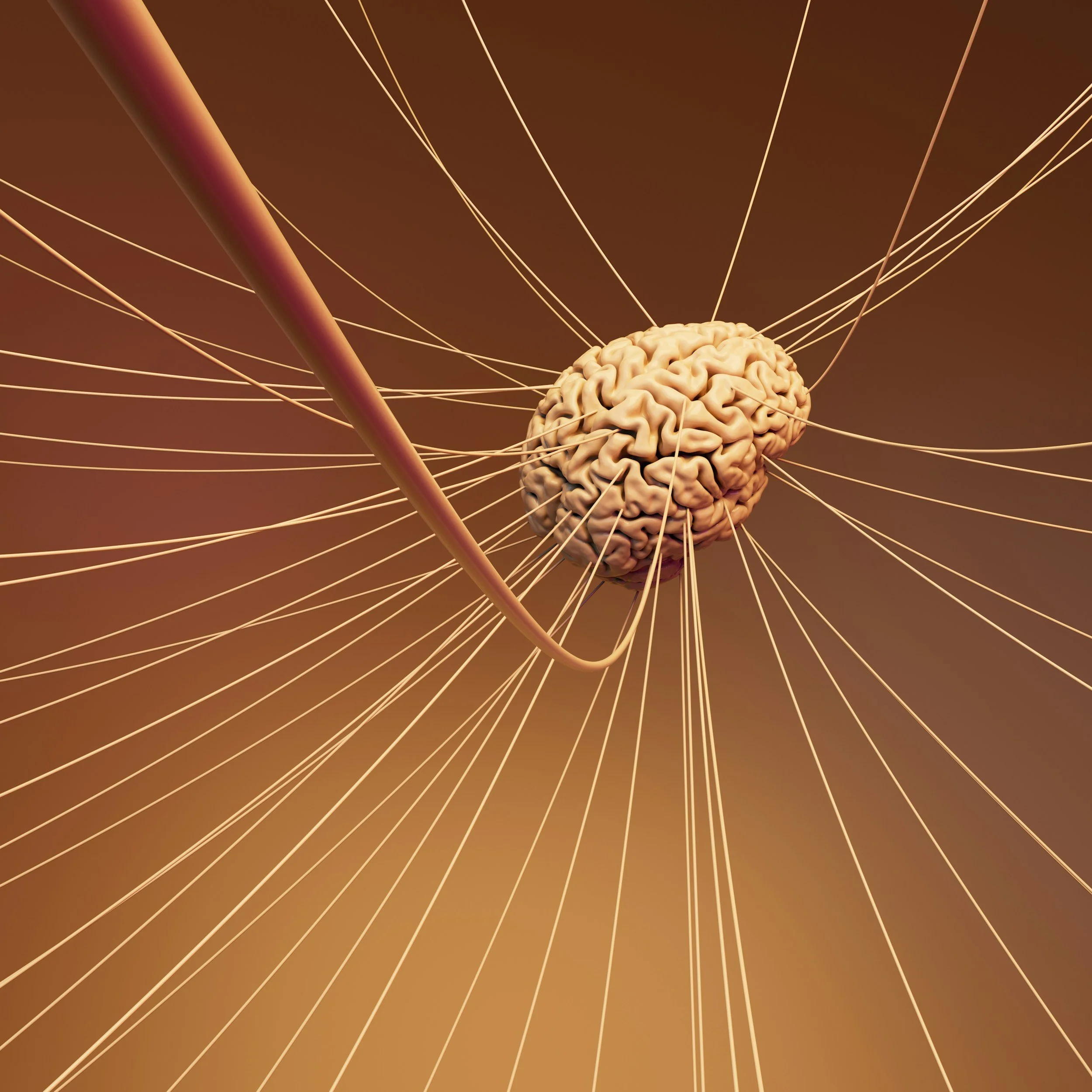
The brain is very good at one thing:
Making meaning.
So when the body does something unexpected, the brain quickly steps in:
“Am I anxious?”
“Did I miss something?”
“What’s wrong?”
And now it looks like anxiety.
But the order matters.
Why the Order Matters
Because it changes where you start.
If the pattern is:
thought → body
you approach it one way.
If the pattern is:
body → thought
you ask different questions.
Neither is wrong.
But they’re not the same.
What This Can Look Like in Real Life

You—or your child—might notice:
symptoms appearing out of nowhere
reactions that don’t match the situation
physical sensations that seem to come first, with thoughts following
anxiety showing up after the body has already reacted
And over time, it can all start to blur together.
This Was One of My First Clues
At the time, I didn’t have a framework for this.
But I knew,
“I’ve experienced anxiety in my life, and this wasn’t like anything I’d ever encountered before.”
And that was enough to pause.
Not to jump to conclusions—
but to stay curious.
If You’re Noticing This Too
If symptoms:
show up suddenly
don’t match your emotional state
or seem to come before thoughts
It doesn’t automatically mean anxiety is the cause.
It may mean your body is responding to something you haven’t fully identified yet.
This Isn’t About Ruling Anything Out
This isn’t about deciding:
“it’s anxiety”
or
“it’s physical”
It’s about understanding the pattern more clearly.
Because when you understand the pattern,
you know where to start.
What Comes Next
This is one piece of a bigger picture.
In the next post, we’ll look at another question that helped clarify things:
What actually triggers symptoms?
Because sometimes the answer isn’t just stress.
You Don’t Have to Figure It Out All at Once
You don’t need a full explanation yet.
You can start by noticing:
What comes first?
If You’re Not Sure Where to Start
Support, if you want it
If you’re looking for more personalized support in making sense of symptoms—for yourself or your child—you don’t have to navigate this alone.